
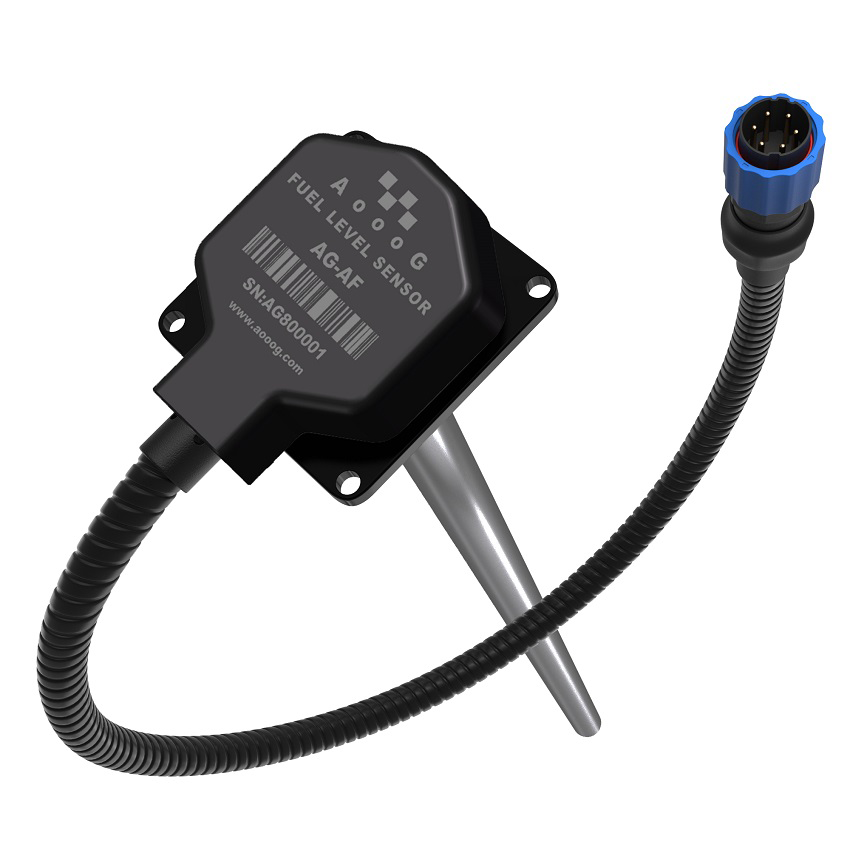
Analog & frequency
AG-AF
Connect fuel level measurement to a tracker or controller with an analog or frequency input.
Explore sensor ↗CAPACITIVE FUEL LEVEL SENSORS
Fuel level sensing for fleets, generators and storage tanks. Choose the connection that fits your system, from analog output to wireless Bluetooth.
Cut-to-fit probes · Configuration tools · Integration documentation
THE PRODUCT RANGE
Analog & frequency
Connect fuel level measurement to a tracker or controller with an analog or frequency input.
Explore sensor ↗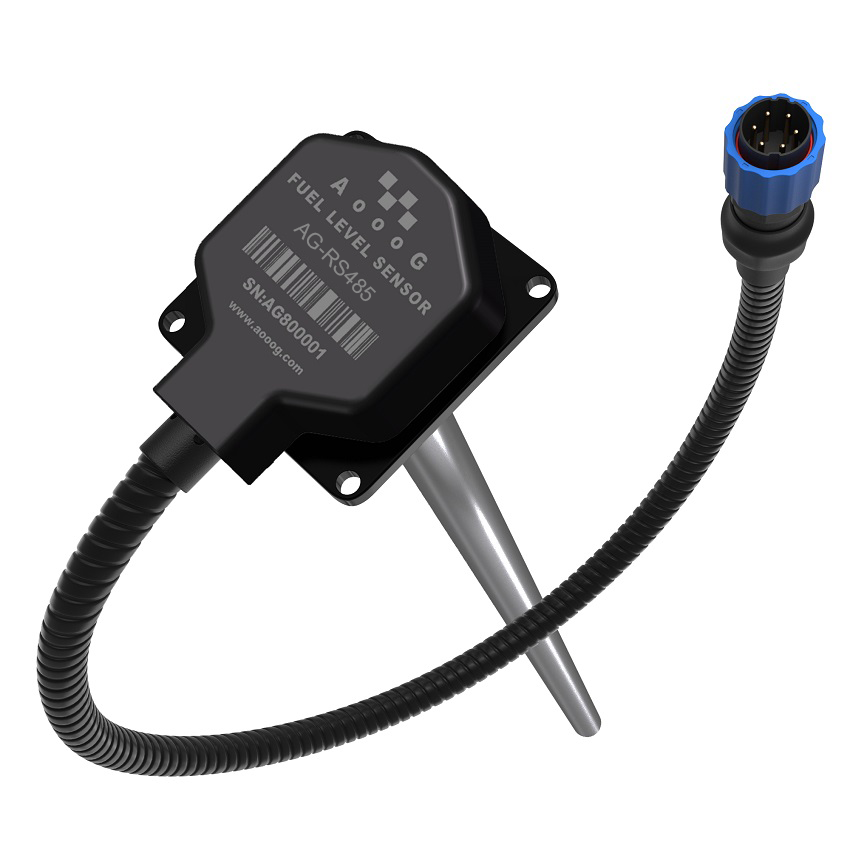
RS485 digital
Bring digital fuel level data into a compatible RS485 tracking or monitoring system.
Explore sensor ↗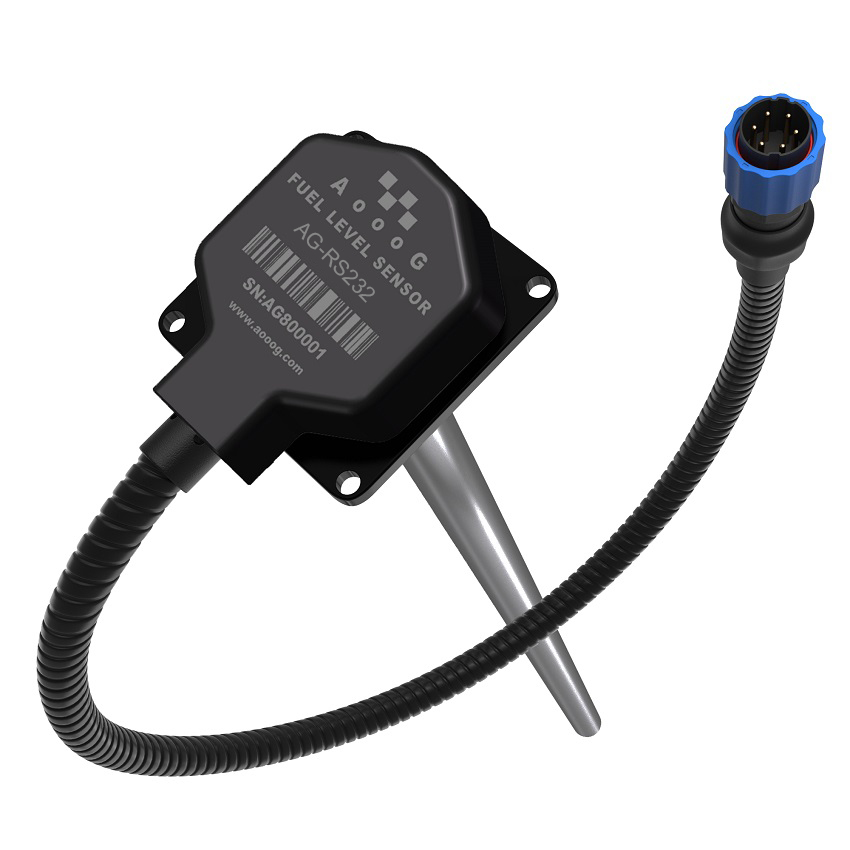
RS232 digital
Add a dedicated digital fuel level connection to a tracker equipped with an RS232 port.
Explore sensor ↗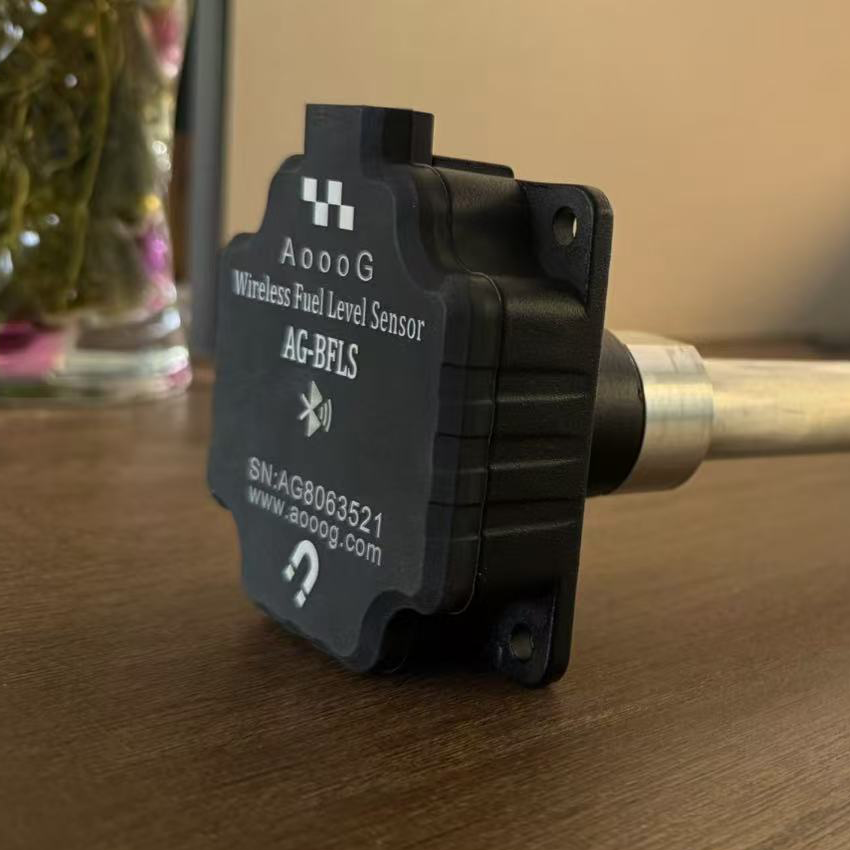
Wireless Bluetooth
Monitor fuel levels without an external power cable, using a compatible Bluetooth receiver.
Explore sensor ↗FROM THE TANK TO YOUR SYSTEM
Capacitive sensors measure changes in the fuel surrounding the probe and turn them into a signal your connected equipment can use.
Explore applications ↗Select the output supported by your tracker, controller or Bluetooth gateway.
Size the probe for the tank and calibrate the empty and full reference points.
Use the matching protocol and tank calibration to interpret data in your system.
APPLICATIONS
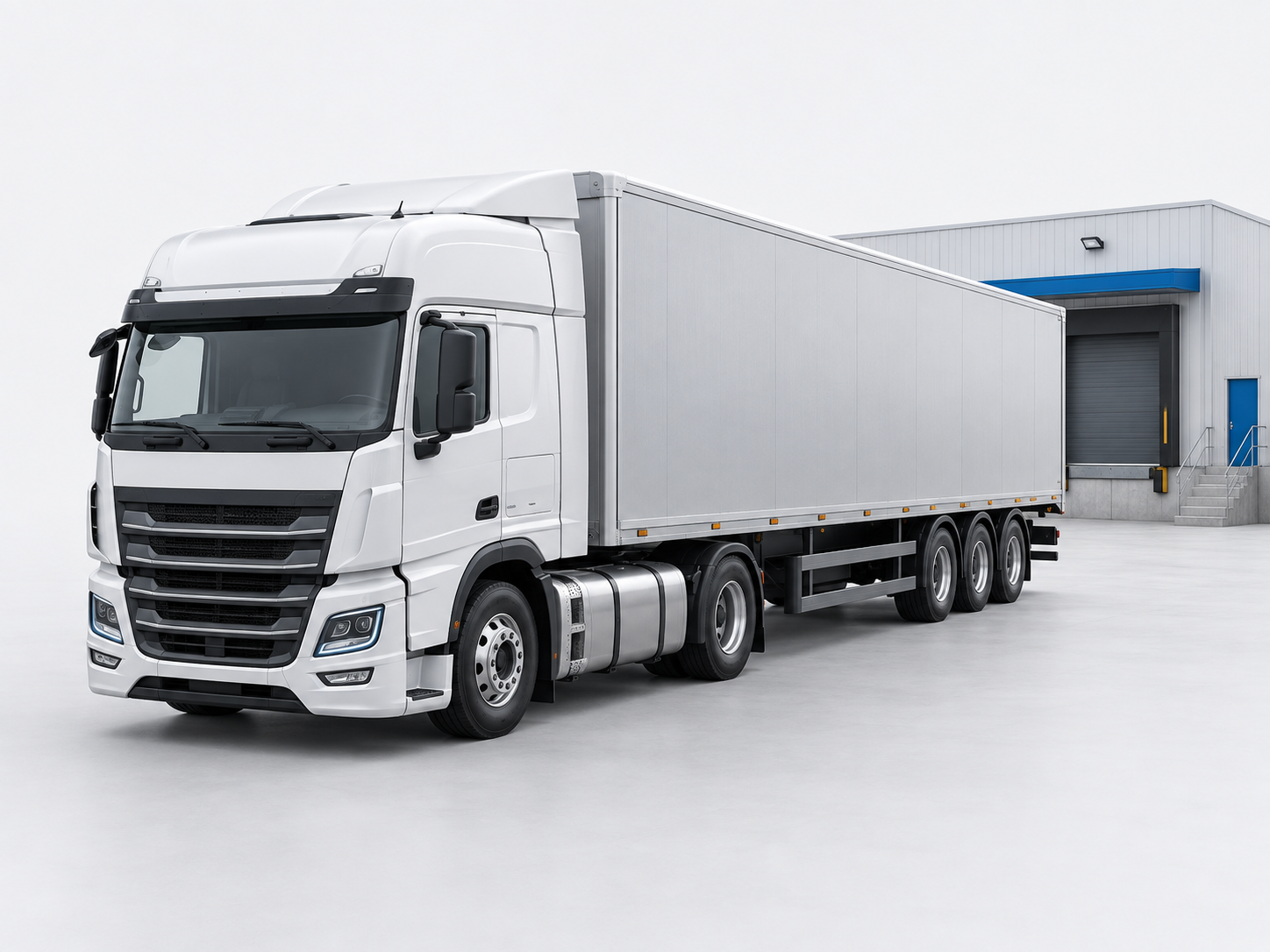 01
01
Connect fuel measurements to a vehicle tracker to review tank levels alongside your fleet data.
Check the tracker’s physical interface and supported sensor protocol before choosing a model.
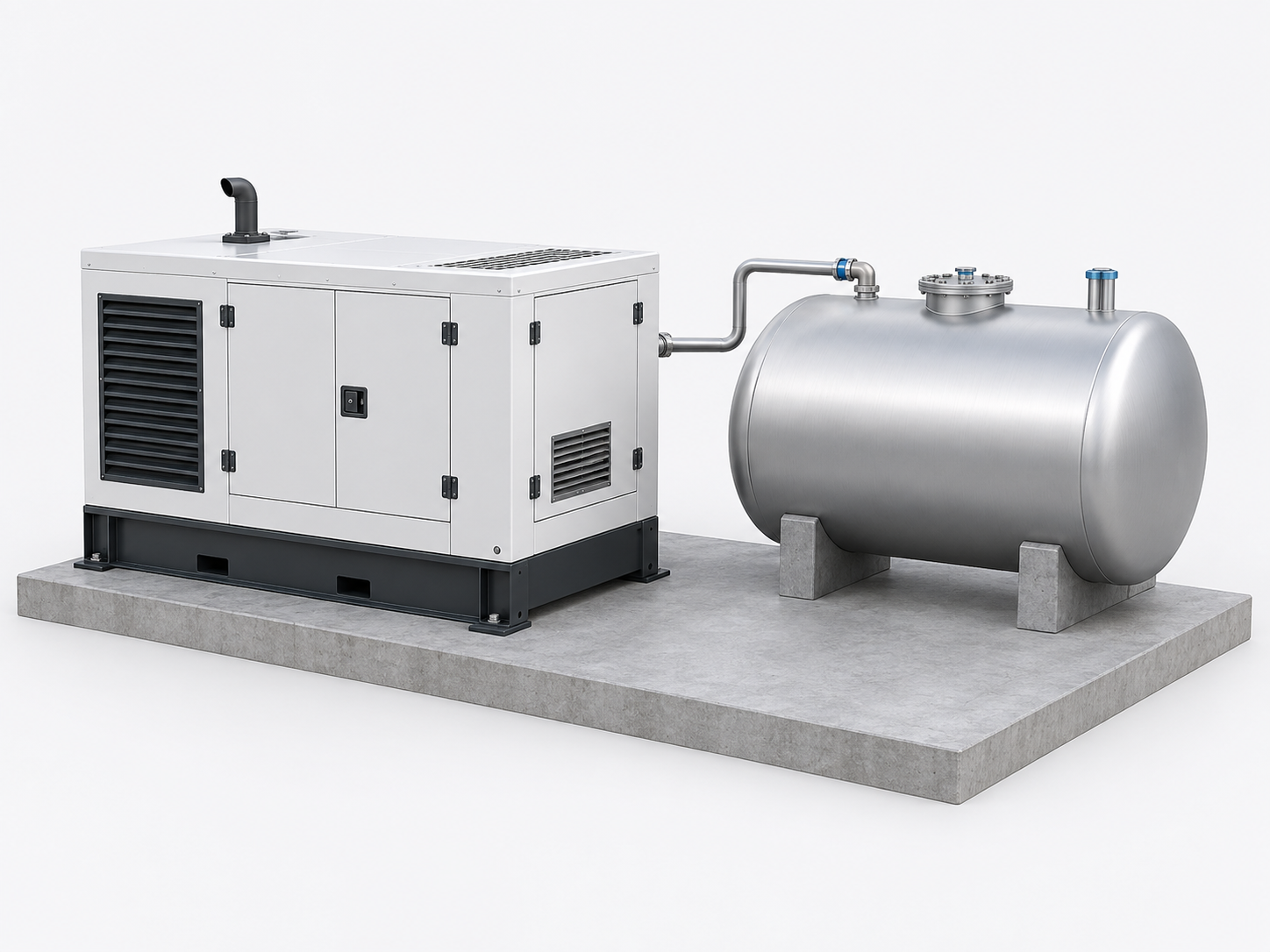 02
02
Track diesel levels in generator tanks and stationary fuel storage to support refuelling planning.
Confirm the tank depth, available power and connection to your monitoring system.
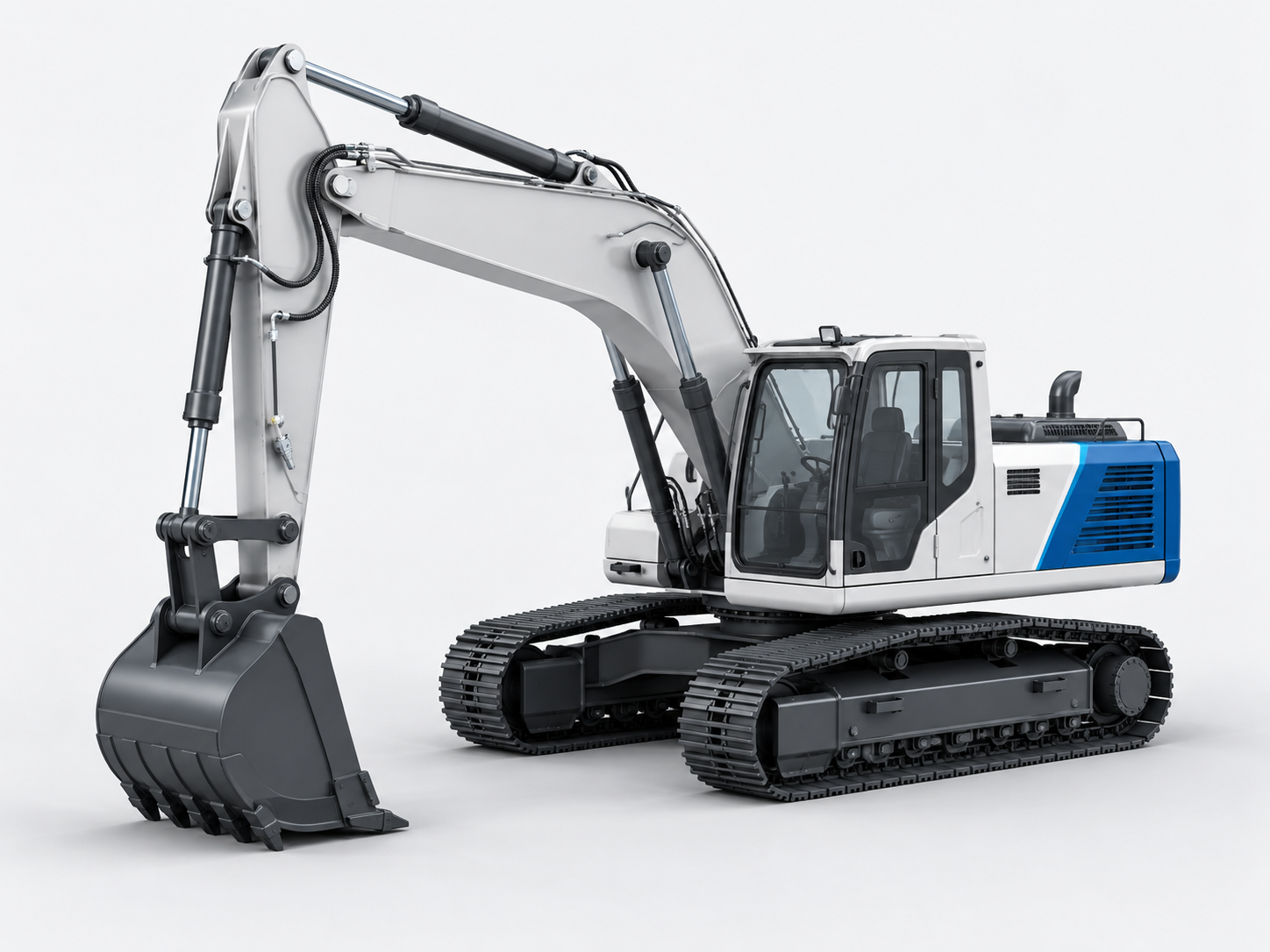 03
03
Add level sensing to the tanks of working machinery with a probe sized for the installation.
Consider tank geometry, sensor mounting and calibration for the machine’s operating conditions.
BUILT TO BE CONNECTED
Find product manuals, PC configuration tools and public communication protocols in one place.
Open resource centre ↗LET’S FIND THE RIGHT FIT
Tell us the fuel type, tank depth and tracker interface.